

It's not just your group chat. When Gabrielle Union told People she felt "defective" because of her perimenopause symptoms, or when Tracee Ellis Ross said the transition was "frying her brain," they were putting words to something I hear from patients every day. Even Amy Poehler’s comment to Jennifer Lawrence on her Good Hang podcast, that itchy ears can be a sign of perimenopause, went viral for how many women saw themselves in Lawrence's stunned reaction.
Perimenopause is a topic that women are done being quiet about. And while it’s heartening to see perimenopause become less stigmatized in culture and media, most women are navigating this transition without the information or support they need.
More than two million women in the U.S. begin perimenopause every year, and more than half can't tell it apart from stress, aging, or simple exhaustion. Even among women 40 to 44, the age when perimenopause most often begins, 42% don't know which reproductive stage they're in. At the same time, more women are having children later in life: births to women 35 to 39 are up 90% since 1990, and in 2023, more babies were born to women 40 and older than to teenagers for the first time. That means postpartum and perimenopause are increasingly overlapping, often with no one around to help tell the two apart.
There's no test that can confirm perimenopause, which makes it easy for doctors to wave it away and easy for women to second-guess themselves right when they need answers most. Because of that, women are turning to other sources for information. Sixty six percent (66%) of women get health information from social media and 40% turn to AI chatbots, even though few call what they find highly accurate.
What's left is a compounding information gap – women don't know what's happening to their bodies, and unreliable sources fill in the blanks with answers that sound confident but rarely hold up. Helping women through this transition should be grounded in ongoing care, not just a diagnosis.
Digital experiences have already rewired how we shop, bank, and date. Healthcare is one of the last places to catch up. For women in perimenopause, a single appointment can give them a snapshot, but the reality is this transition changes month to month, which is why there is real value in a provider relationship that grows and evolves with you and your health journey instead of ending when the visit does
Through Hers, you can find individualized care without the traditional hurdles. In partnership with licensed providers and a care team trained in women’s health, women are able to access 24/7 care that is personalized to them. And the Hers app is full of content crafted by clinical experts in psychology, nutrition, exercise, sleep, and more to help set women up for success when navigating this transition.
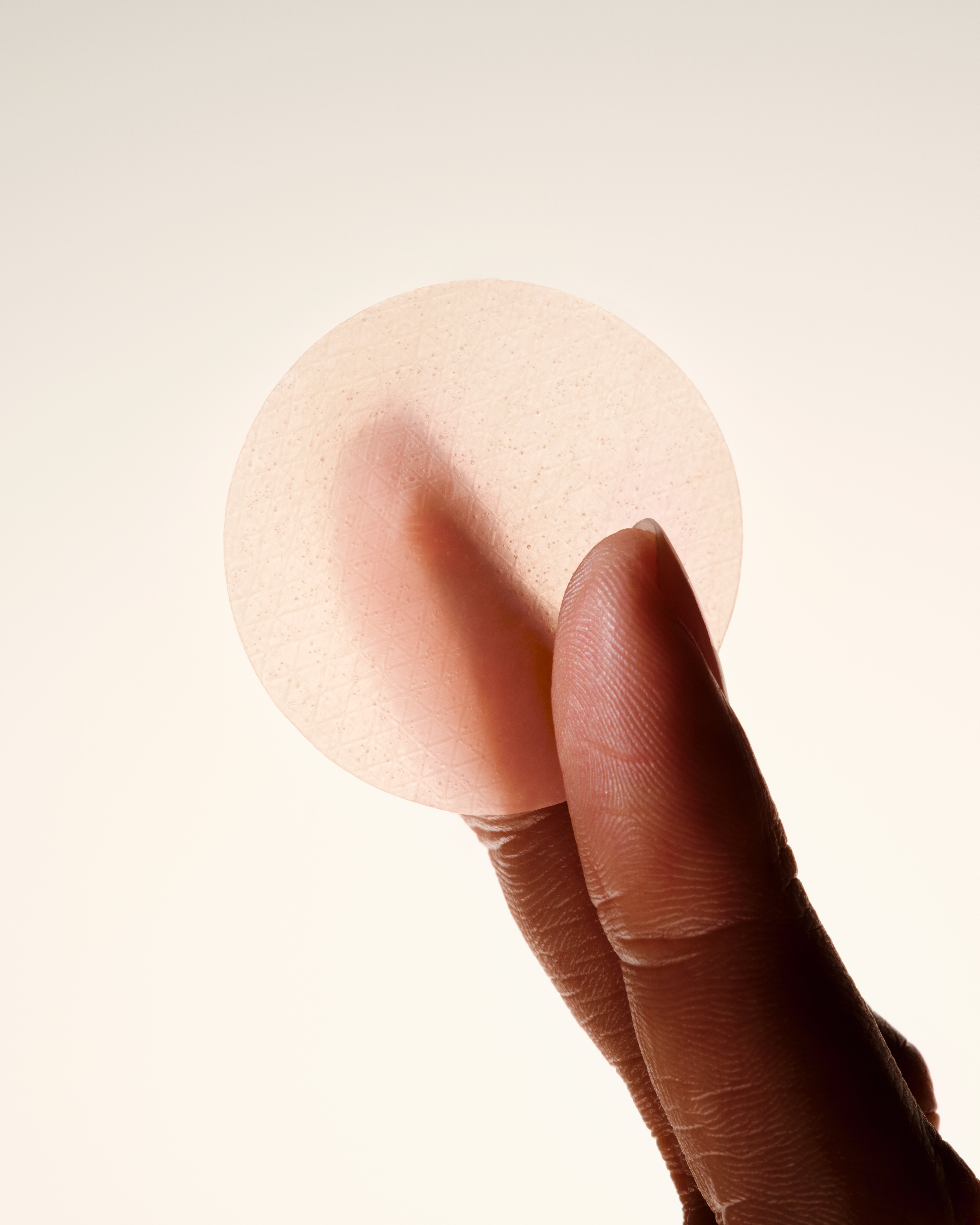
Treatments like estrogen patches have faced supply issues industry-wide this year, which is exactly why having a care partner who's actually paying attention matters. At Hers, we've strived to keep access to these treatments consistent even when supply has been depleted elsewhere, so no woman is left scrambling to find medication somewhere else.
{inline-gallery}
Hormone replacement therapies, like estrogen and progesterone, are still the treatments most people associate with this stage of life. They work by replacing hormones that naturally decline as women age. Treatment plans through Hers can address hot flashes, night sweats, sleep disruption, mood changes, and vaginal dryness.
Hormone health is ever changing, as is every woman. The field is moving fast and we're paying close attention to where it's headed.
Not available in all 50 states. Rx required. Perimenopause by Hers is a holistic program that includes hormonal health support, educational resources, and access to prescription medications if a licensed provider determines they are medically appropriate for you. Hormone replacement therapies, such as estradiol tablets, progesterone, transdermal estradiol, and estradiol vaginal cream, are not approved or evaluated by the FDA for the prevention, diagnosis, or treatment of perimenopause but may be prescribed off-label at a healthcare provider’s discretion. See website for full details, important safety information, and restrictions, including online provider consultation requirements.
Cautionary Note Regarding Forward-Looking Statements
This communication includes forward-looking statements within the meaning of Section 27A of the Securities Act of 1933, as amended and Section 21E of the Securities Exchange Act of 1934, as amended. These forward-looking statements can be identified by the use of forward-looking terminology, including the words “anticipates,” “expects,” “intends,” “plans,” “decides,” “may,” “will,” “likely,” “potential,” “future,” or “should,” or, in each case, their negative or other variations or comparable terminology. There can be no assurance that actual results will not materially differ from expectations. Such statements include, but are not limited to, statements regarding supply of estrogen patches and access to perimenopause and menopause care. These statements are based on management’s current expectations, but actual results may differ materially due to various factors.
Forward-looking statements are neither historical facts nor assurances of future performance. Instead, the forward-looking statements contained in this communication are based on our current expectations, assumptions and beliefs concerning future developments and their potential effects on us. Future developments affecting us may not be those that we have anticipated. These forward-looking statements involve a number of risks, uncertainties (some of which are beyond our control) and other assumptions that may cause actual results or performance to be materially different from those expressed or implied by these forward-looking statements. These risks and uncertainties include, but are not limited to, customer and market demand; supply chain constraints or interruptions; changes or interpretations in healthcare, consumer protection or privacy laws or regulations; and other factors described in the Risk Factors and other sections of our most recently filed Quarterly Report on Form 10-Q, our most recently filed Annual Report on Form 10-K, and other current and periodic reports we file from time to time with the Securities and Exchange Commission.
Should one or more of these risks or uncertainties materialize, or should any of our assumptions prove incorrect, actual results may vary in material respects from those projected in these forward-looking statements. The forward-looking statements contained in this communication are made only as of September 15, 2026. We undertake no obligation (and expressly disclaim any obligation) to update or revise any forward-looking statements, or to update the reasons actual results could differ materially from those anticipated in the forward-looking statements, whether as a result of new information, future events or otherwise, except as may be required under applicable securities laws. By their nature, forward-looking statements involve risks and uncertainties because they relate to events and depend on circumstances that may or may not occur in the future. We caution you that forward-looking statements are not guarantees of future performance and that our actual results may differ materially from those made in or suggested by the forward-looking statements contained in this communication.