Newsroom
Leadership
Hims & Hers at The Economist's Inaugural Economics of Obesity and Metabolic Health Summit
.jpg)
This week I joined The Economist's inaugural Economics of Obesity and Metabolic Health Summit in Brussels to share what Hims & Hers have learned building access to consumer-first, digital health at scale, and to hear from global leaders and health organizations working to reimagine how the world treats obesity.
This week I joined The Economist's inaugural Economics of Obesity and Metabolic Health Summit in Brussels to share what Hims & Hers have learned building access to consumer-first, digital health at scale, and to hear from global leaders and health organizations working to reimagine how the world treats obesity.
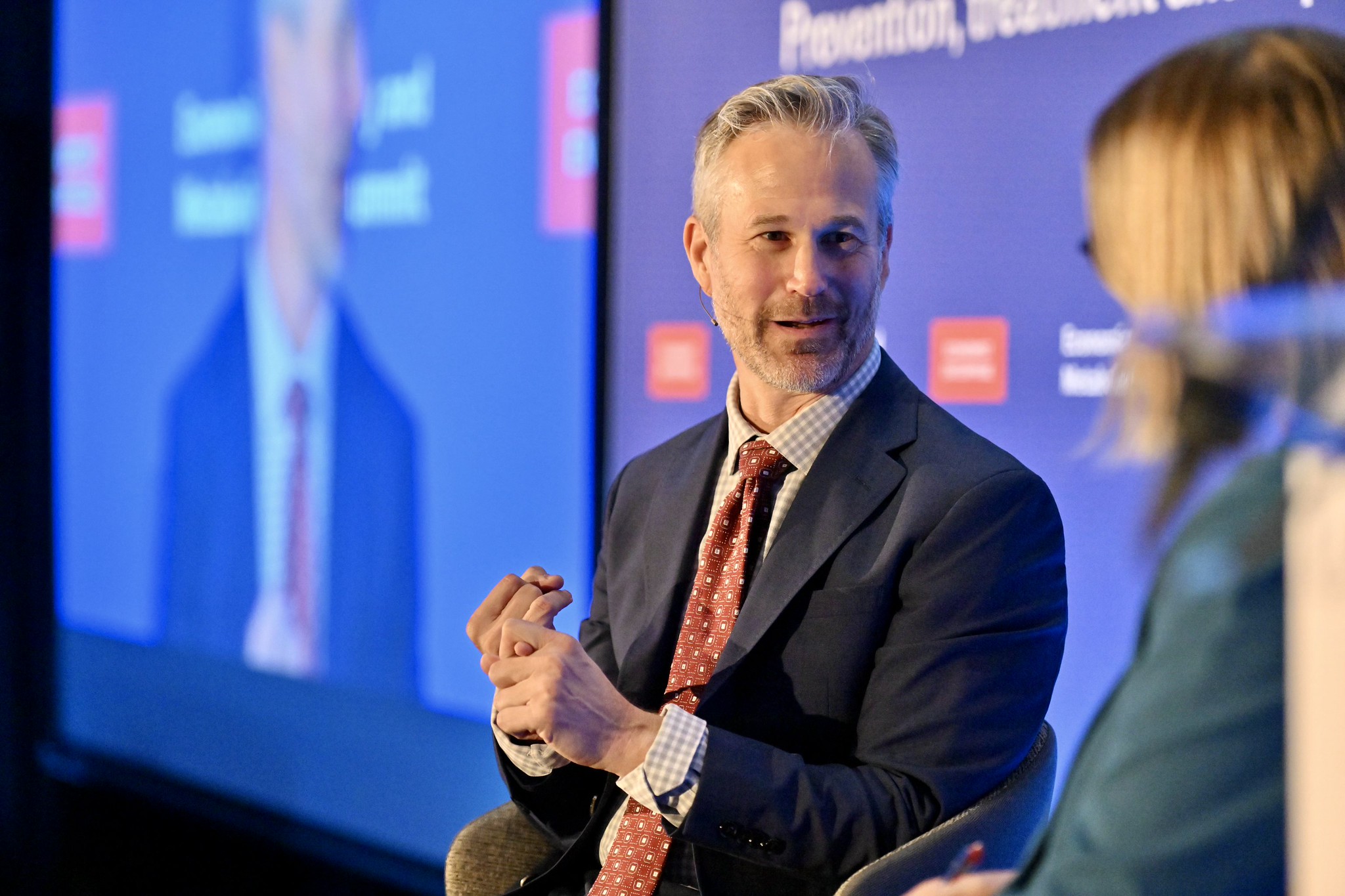

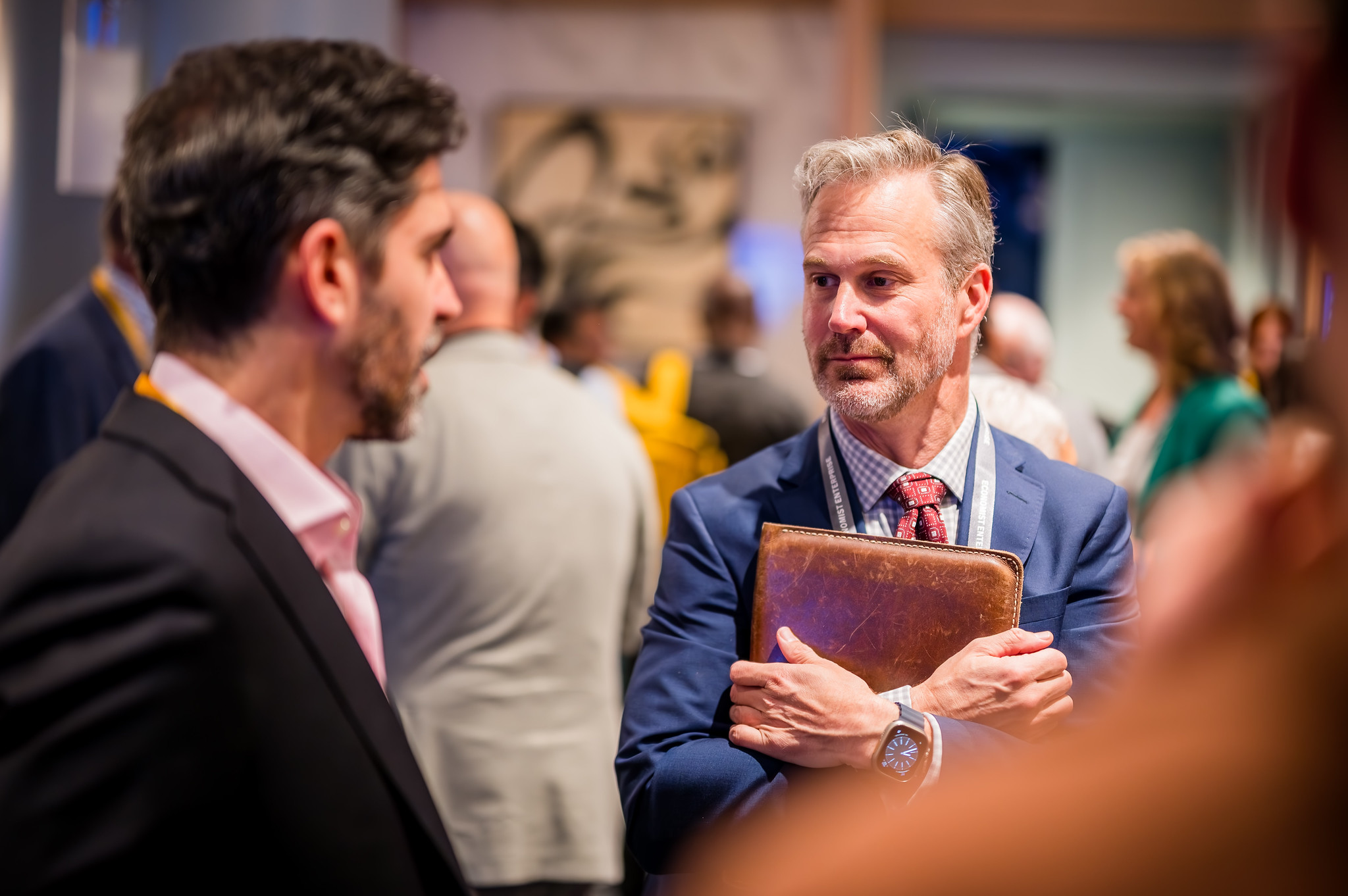
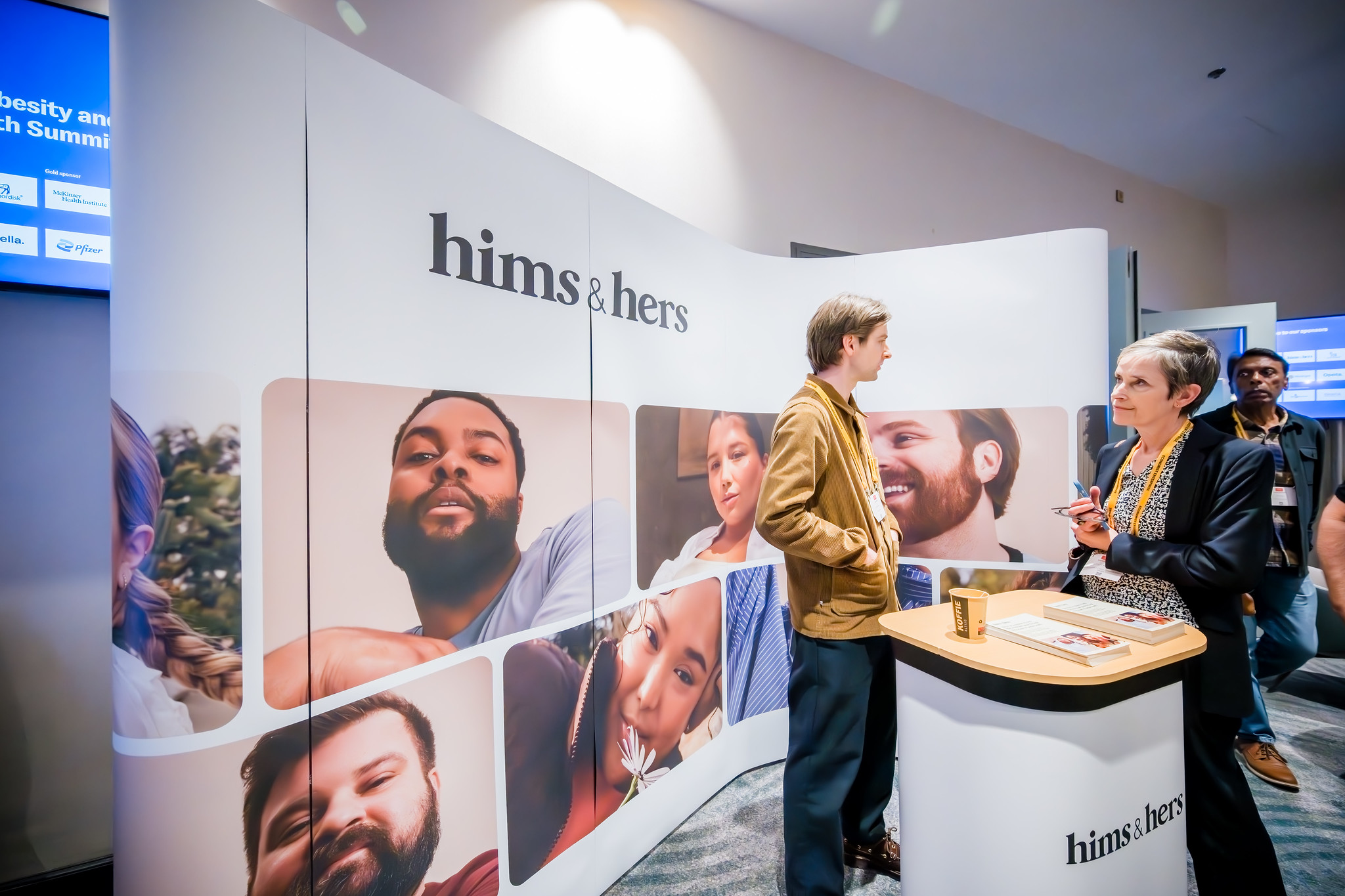
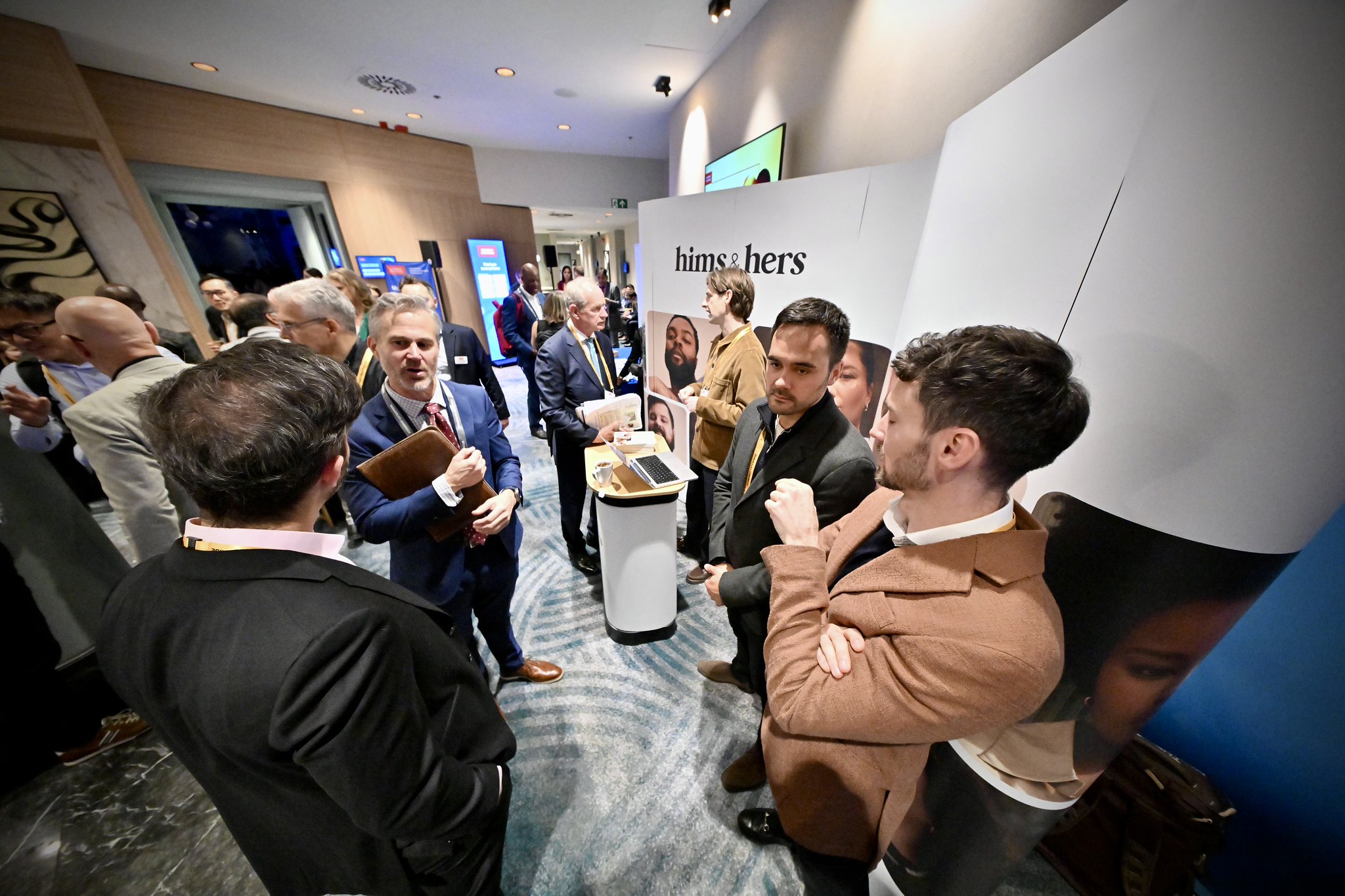
This week, I joined global policymakers, clinicians, and health innovators in Brussels for The Economist's inaugural The Economics of Obesity and Metabolic Health Summit. The gathering marked a recognition, at the highest levels of global health discourse, that obesity demands the same urgency, rigor, and systemic investment we bring to other chronic diseases. I joined the conversation to share what Hims & Hers has learned building access to care at scale and what modern care in Europe can and should look like.
The Access Crisis Is Real –and Getting Worse.
For decades, patients have been told obesity is a failure of willpower. It isn't. It is a chronic, relapsing disease, and the consequences of treating it as anything less are written in the data. Sixty four percent of UK adults are overweight or living with obesity, but NHS specialist weight management services are so overwhelmed that waiting lists have closed entirely across multiple regions, and where services remain open, the average wait is two to three years. This isn't a UK-specific problem. Traditional health systems around the world, the US included, were not designed to absorb this level of demand.
Digital health exists precisely to reach the people who aren’t getting the care they need because the traditional system wasn’t built with them in mind. A platform that someone can access from their phone, without the barriers of geography, cost, stigma, or a multi-year wait, can extend specialist-level support to populations that the current system simply cannot serve. That is not a disruption of healthcare. It is an expansion of it.
Getting Started Is Hard – but sticking to it is harder.
The statistic I shared that seemed to land hardest in the room was this: across the industry, roughly 80% of GLP-1 patients discontinue within six months. Not because the medication stopped working, but because they hit a side effect, or a plateau, or a moment of real doubt and didn’t have support in that moment. That is a system failure, not a patient failure. And it's where I think the conversation about access has to go deeper. Starting treatment is the easy part. Keeping someone in it is where traditional care fails because the model was never built for the moments between appointments.
The average wait time to see an obesity medicine specialist in the U.S. is approximately five months. Our customers have exchanged millions of messages with their care teams, most answered within three hours. That support and proximity helps change both experience and outcomes: a patient struggling at 9pm on a Tuesday can reach their care team at their time of need, not at their next scheduled visit, weeks or even months away. If treatment is going to work, people have to stay in it long enough for it to work. That means meeting them when they need support, not when the system happens to be available.
{inline-gallery}
Medication Is Not Enough. Integrated Care Is.
One of the things I kept coming back to in Brussels is that GLP-1s are a genuine breakthrough, but they are not a complete solution on their own. When you suppress appetite, every meal has to do more work. Patients need to be eating enough protein, preserving lean muscle, and maintaining energy. That requires guidance and support, not just a prescription.
The challenge I raised with the group is that in traditional settings, building that kind of integrated care means sending a patient to multiple providers, multiple referrals, multiple appointments. Most people don't follow through, not because they don't want to get better, but because the system makes it too hard. What we've built at Hims & Hers helps remove that friction. Medication, nutritional coaching, activity guidance, clinical support, all in one place, on the patient's schedule. Those aren't small details. They're what can turn a treatment plan into a lasting outcome.
Expanding Access and Doing It Safely Are Not Competing Goals
There was a lot of discussion in Brussels about standards, and rightly so. As digital health grows, not every platform operates the same way, and that gap has real consequences for patients. It’s critical to understand that accessibility and clinical rigor are not in tension. At Hims & Hers, every customer completes a structured, comprehensive medical intake before their provider makes a treatment decision — medical history, current medications, relevant conditions, lifestyle factors, all of it reviewed by a licensed clinician. If treatment isn't appropriate, we don't prescribe. Full stop. Technology is how we reach more people. Independent clinical judgment is how we take care of them. That should be the baseline expectation for the entire sector, not a differentiator. It's what every patient deserves, and it's what earns the trust of the health leaders we want to work alongside.
The conversation in Brussels reinforced what the data already shows: the gap between the scale of the obesity epidemic and the capacity of traditional care systems is not closing on its own. Closing it will require clinical rigor, genuine accessibility, and the kind of sustained support that keeps patients in treatment long enough for it to change their lives. That is what Hims & Hers is building and why conversations like this one matter.